Research-based guides · Honest recommendations · Independent advice See how we choose products

SCALP HEALTH

Flakes are a scalp conversation.

Two very different problems look identical on a dark shirt: dry scalp (small, powdery, itchy when tight) and true dandruff (oily, yellowish flakes driven by Malassezia yeast and oil production). Treating one like the other makes both worse.

  • Dandruff rarely disappears on its own — it is managed, not cured.
  • Washing less often usually makes flakes worse, not better.
  • Scratching inflames the follicle and extends the problem.

THE SCIENCE

Ingredients that actually work

  1. 01

    Piroctone olamine

    Gentler than zinc pyrithione and equally effective at curbing yeast. Good everyday option for colour-treated scalps.

  2. 02

    Zinc pyrithione

    The classic anti-flake active. Leave it on the scalp for a full five minutes before rinsing.

  3. 03

    Salicylic acid

    Lifts existing flakes before they can trap oil. Use as a pre-shampoo scrub, not a daily wash.

  4. 04

    Ketoconazole 2%

    Prescription-strength antifungal for stubborn cases. Two washes a week alongside your usual shampoo.

THE EDIT

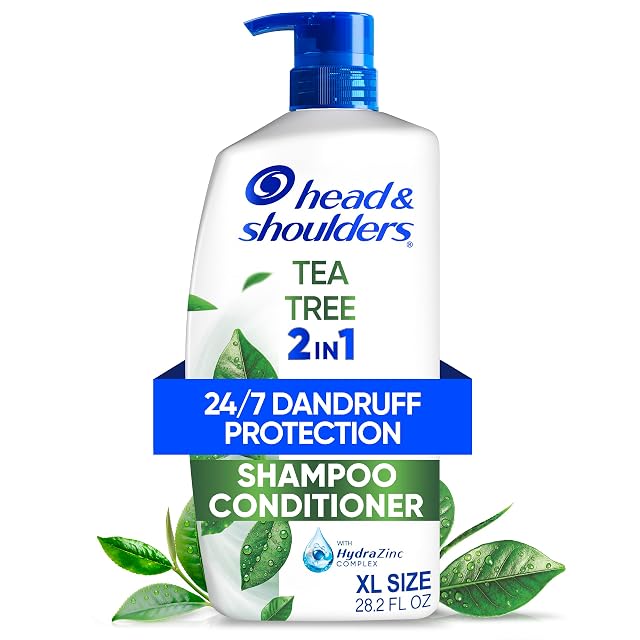
Selected products addressing dandruff

DO THIS TONIGHT

Four moves that matter

  1. 1

    Wash at least three times a week — oil feeds the yeast that causes flakes.

  2. 2

    Let active shampoos sit five full minutes; rinsing early wastes them.

  3. 3

    Alternate an anti-flake wash with a gentle one instead of doubling up.

  4. 4

    If the scalp bleeds, cracks or spreads, see a doctor — that is not dandruff.

STRAIGHT ANSWERS

Dandruff questions, answered

Is dandruff worse in winter?

Usually yes — cold air outside, hot dry air inside, and hats that trap oil. Keeping the washing cadence up through winter is the single biggest lever.

Should I oil a flaky scalp?

Not on the scalp itself. Oil on the lengths is fine; on a yeast-driven scalp it is fuel. Treat the scalp first, then moisturise the ends.